
Athletic Club’s 2025–26 Season: From Champions League Hope to a Harsh Reality Check
By Alex Mineto
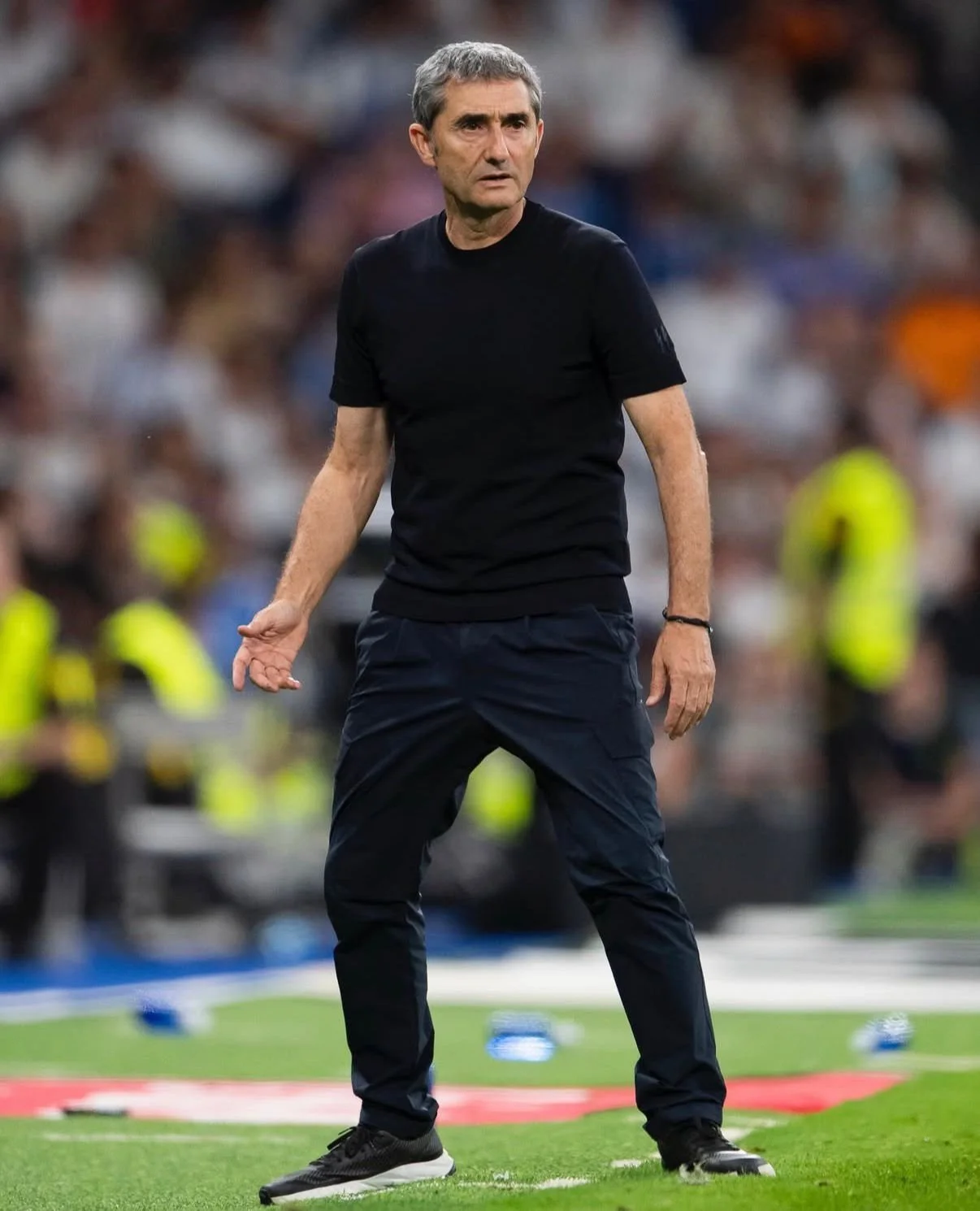
For much of the last two years, Athletic Club looked like one of the best-run projects in Spanish football. Under Ernesto Valverde, the team had recovered its identity, returned to the Champions League places, and combined academy talent with experienced leadership in a way few clubs outside Spain’s elite could match.
That is why the 2025–26 season feels so disappointing.
Athletic did not simply regress. They lost direction.
The numbers tell the story clearly. Athletic finished 12th in La Liga with 45 points, conceding 58 goals and suffering 19 defeats across the league campaign. For a club that entered the season expecting to compete for European qualification again, those figures represent a major collapse in standards.
Just twelve months earlier, Athletic had looked ready to establish themselves as regular contenders for the top four. The atmosphere around San Mamés was optimistic. Players like Nico Williams, Oihan Sancet and Dani Vivian had developed into high-level performers, while veterans such as Iñaki Williams and Unai Simón continued to provide stability and leadership.
Instead of building on that momentum, the season slowly unraveled.
Part of the problem was physical. Athletic struggled to cope with the demands of a longer and more intense calendar after returning to European competition. Injuries affected key players throughout the campaign, especially in attacking areas. Nico Williams missed important stretches of the season, while Sancet also dealt with fitness problems at different points.
When those two were unavailable, Athletic lost creativity, speed and unpredictability almost immediately.
That dependence became one of the clearest weaknesses in the squad. Valverde’s system relies heavily on intensity: aggressive pressing, fast transitions and wide attacking play. When the energy levels dropped or important players were missing, the structure became much easier to expose.
Defensively, Athletic never found enough consistency. The team continued to defend high up the pitch, trying to recover possession quickly and keep opponents under pressure. But compared to the previous season, the coordination was not as sharp. Opponents found more space between the lines, and transitions became a recurring issue.
The result was a team that often looked vulnerable in moments where they had previously been strong.
Conceding 58 league goals is not only disappointing for Athletic’s standards; it reflects a broader loss of control. Too many matches followed the same pattern: Athletic would begin aggressively, fail to convert momentum into goals, and then become increasingly open as the game progressed.
What makes the season more frustrating for supporters is that the squad itself still contained significant quality.
Nico Williams remained the team’s most dangerous attacking player whenever fit. His ability to break defensive lines and create one-versus-one situations continued to make him one of the most exciting wingers in Spain. Guruzeta still contributed goals despite inconsistent service, while Yuri Berchiche delivered some surprisingly productive performances from left-back.
In goal, Unai Simón maintained a high level individually even during difficult stretches for the team.
This was not a squad lacking talent. It was a squad that never rediscovered balance.
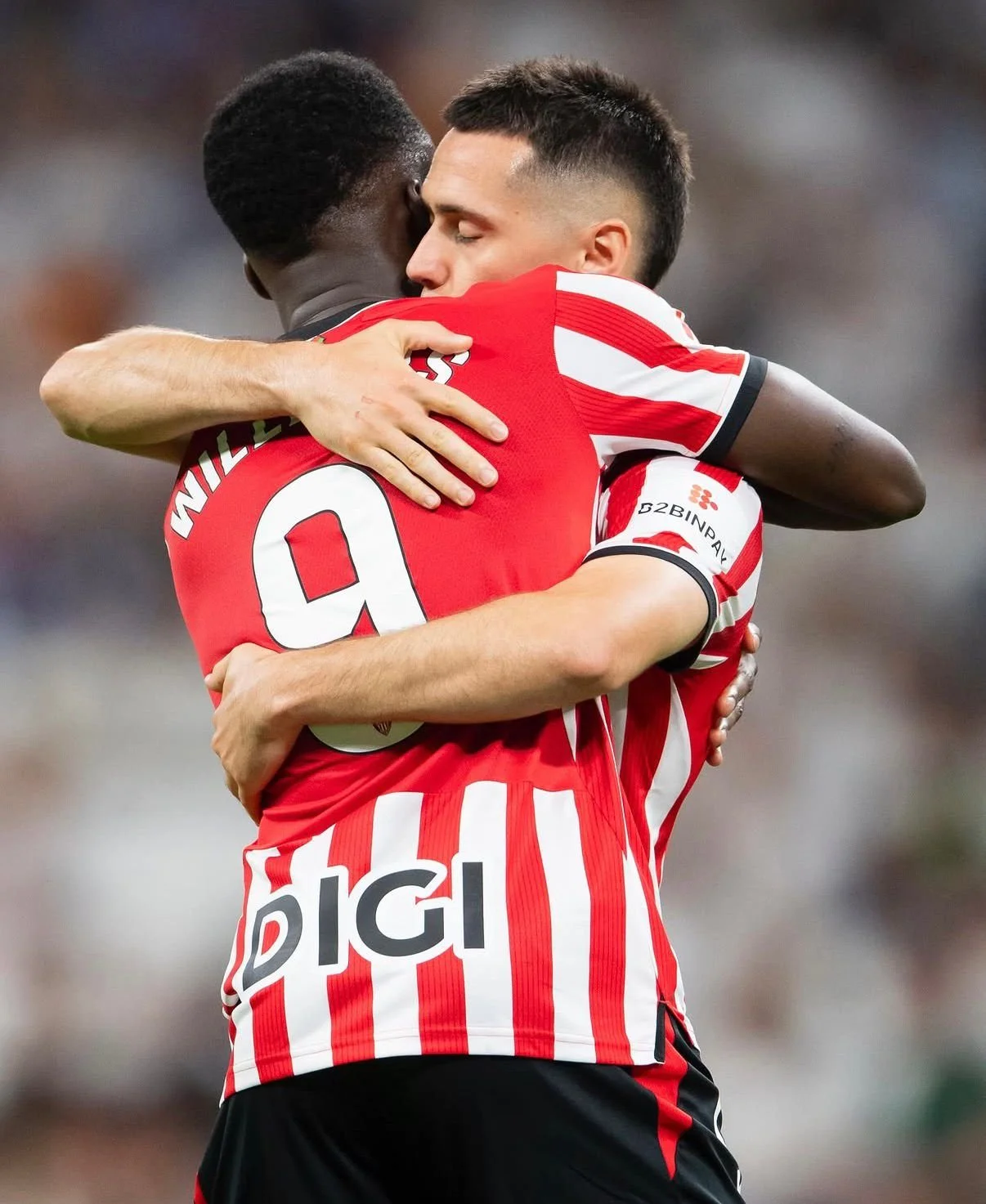
There is also a psychological aspect to Athletic’s season that should not be ignored.
For years, the club’s main objective was to return to the Champions League. Achieving that goal changed expectations immediately. Athletic were no longer viewed as an overachieving side playing without pressure. Suddenly they were expected to compete domestically and in Europe with a relatively thin squad and a uniquely restrictive recruitment model based on Basque-only eligibility.
That challenge can become exhausting over the course of a season.
Unlike many rivals, Athletic cannot simply solve problems in the transfer market by signing from anywhere in the world. Their margin for error is smaller, which means injuries, dips in form and tactical imbalance can have a much greater impact.
Valverde also appeared to struggle at times to refresh the team mentally. His work at Athletic across multiple spells deserves enormous respect, and he remains one of the most important figures in the club’s modern history. But this season, there were moments when the side looked emotionally drained and tactically predictable.
By the final months of the campaign, the sense of a cycle ending became increasingly obvious.
Valverde’s departure at the end of the season confirmed that feeling. His exit was not dramatic, but it carried symbolic weight. He had been the coach who restored Athletic’s competitiveness and reconnected the team with the intensity supporters expect at San Mamés.
Replacing that stability will not be easy.
The arrival of Edin Terzić now opens a new chapter, but also brings uncertainty. Athletic are entering an important summer where recruitment, player fitness and tactical adaptation will all shape whether this season becomes a temporary setback or the beginning of a deeper decline.
Despite the disappointment, there are still reasons for optimism.
Athletic remains one of the healthiest clubs in Spain financially and structurally. Their academy continues to produce high-level talent, the connection between supporters and team remains extremely strong, and several core players are still entering their prime years.
Most importantly, the club still possesses a clear identity. That matters.
Many teams fall into crisis because they lose direction completely. Athletic have not reached that point. The foundations are still there, even if this season exposed their limitations more clearly than expected.
In the end, the 2025–26 campaign may be remembered less as a disaster and more as a reality check.
Athletic Club discovered how difficult it is not only to reach the Champions League level, but to remain there consistently. Competing with Spain’s biggest clubs requires depth, tactical flexibility and relentless physical intensity over an entire season.
This year, Athletic could not sustain those demands.
