
by Giuseppe Forlano
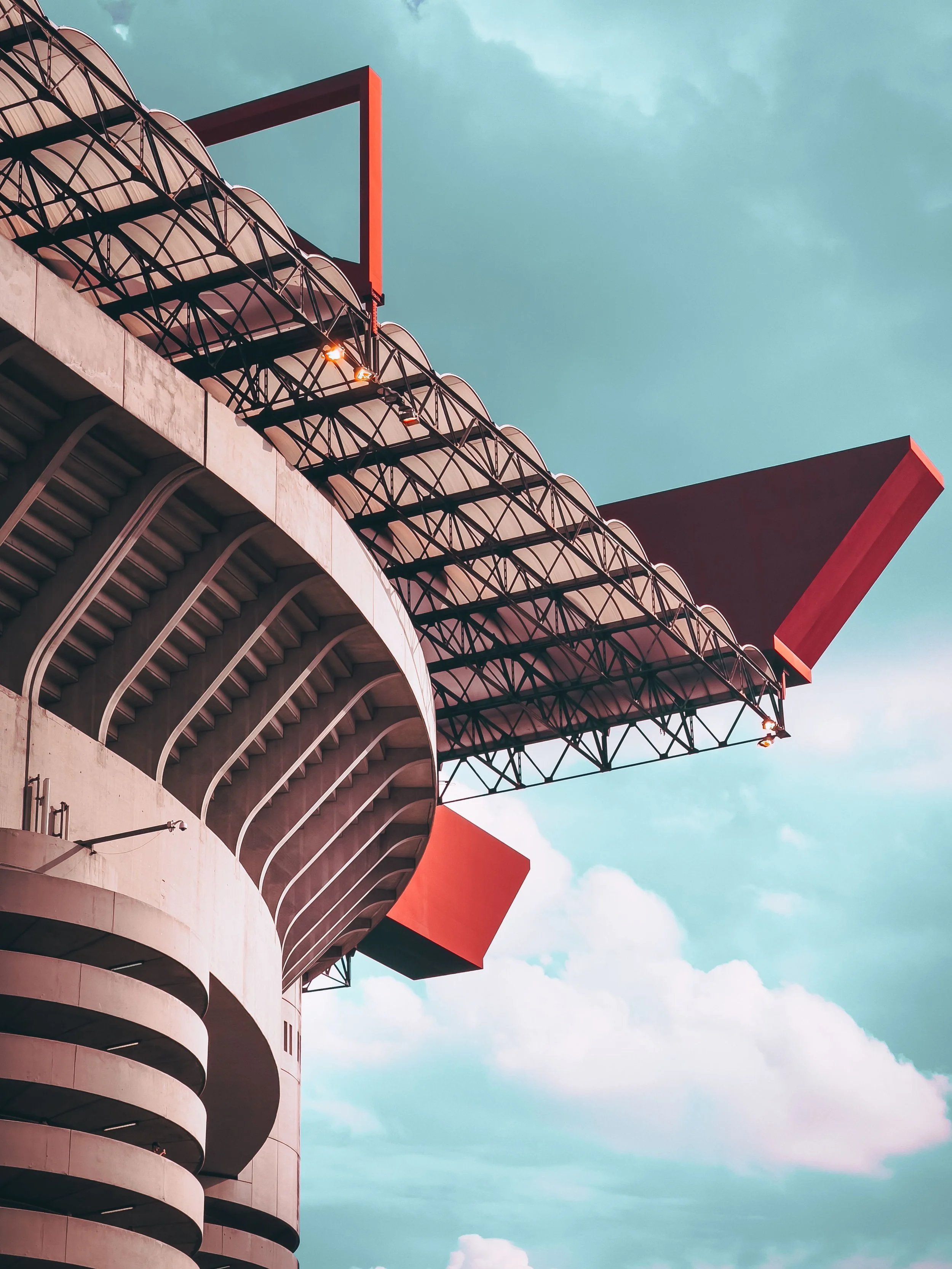
There is something profoundly unsettling about a football team capable of inspiring admiration one week and disbelief the next. For AC Milan, the opening months of the 2026/27 season have become an exercise in contradiction, a journey through moments of brilliance, collective fragility and an enduring search for identity. A club accustomed to measuring success in trophies now finds itself confronting a more fundamental question: what does it truly mean to wear the red and black?
The warning signs emerged at Sassuolo, where a disappointing 1-1 draw exposed a familiar inability to turn superiority into authority. Milan had arrived seeking continuity but departed with two points surrendered and more questions than answers. It was not merely the result that troubled observers, but the impression of a team still struggling to impose itself with the conviction expected of a European heavyweight.
Then came Salzburg, and suddenly everything seemed different. A commanding 4-0 away victory against RB Salzburg in the Europa League offered a glimpse of what this Milan could become. At the heart of the triumph stood Alphadjo Cissé, whose sensational hat-trick inspired a dominant Rossoneri performance and announced his growing importance to the team. Combining attacking intensity with technical precision, Milan produced a display that suggested their considerable potential was finally beginning to translate into collective maturity. For ninety minutes, the doubts appeared exaggerated. Milan played with freedom, confidence and the assurance of a team comfortable with its own ambitions.
Yet consistency remains football's most unforgiving examination.
Against Atalanta at San Siro, Milan raced into a remarkable three-goal advantage, seemingly transforming a demanding encounter into a statement of intent. But what should have been an exhibition of control became an alarming demonstration of vulnerability. Atalanta recovered twice, reducing the deficit to 3-2 and threatening an extraordinary comeback. Only a miraculous intervention from Mike Maignan prevented the equaliser. The final whistle confirmed three valuable points, but the goalkeeper's heroics revealed an uncomfortable truth: Milan had almost allowed a victory entirely within their control to disappear.
That fragility became impossible to disguise against Bournemouth. A humiliating 3-0 defeat was made worse by the manner of the collapse. Beyond tactical shortcomings or individual errors, Milan appeared devoid of character, urgency and resistance. There are defeats that can be explained through footballing superiority; others expose something deeper. This belonged firmly to the latter category. A club carrying seven European Cups in its history cannot accept performances in which its competitive spirit seems absent.
The response at Udinese was consequently as significant as the result itself. Winning 2-0 on a notoriously difficult ground, Milan delivered one of their most convincing domestic performances of the campaign. Disciplined, composed and purposeful, the Rossoneri demonstrated that they possessed the resources to respond to adversity. It was the sort of away victory that successful teams build their seasons upon, combining technical superiority with the resilience so conspicuously missing elsewhere.
But once again, progress proved temporary.
Bologna arrived at San Siro and departed with a stunning 4-2 victory, exposing the psychological instability running through Milan's performances. Four goals conceded at home represented more than defensive negligence. They suggested a collective inability to manage pressure, setbacks and decisive moments. Individual talent can win matches, but personality determines whether a team can sustain success. Milan, for all their quality, continue to struggle with that distinction.
And then came the Derby della Madonnina.
Few fixtures possess the emotional gravity of Milan against Inter. It is a confrontation that transcends league positions, tactical systems and recent form. For ninety minutes, the city becomes the centre of Italian football, and history weighs upon every challenge, every decision and every goal.This time, however, the story began before the players entered the stadium.
Gerry Cardinale, whose ownership has frequently been examined through the prism of financial strategy, institutional decisions and sporting results, chose to reconnect the present with Milan's illustrious past. On the eve of the derby, he gathered former Rossoneri legends for dinner, creating an occasion that carried a significance beyond nostalgia. It was an acknowledgement that Milan's greatest asset has never been confined to its balance sheet, but resides equally in the emotional inheritance passed between generations.
The following day, Kaká's appearance on the pitch before kick-off brought that message directly to San Siro. The Brazilian, a symbol of elegance, excellence and one of Milan's most celebrated European eras, embodied precisely the standards to which the current squad aspires. His presence reminded supporters and players alike that the shirt represents more than immediate sporting expectations. It carries a responsibility towards those who established its international prestige.
What followed was arguably the defining performance of Milan's season so far.
A magnificent 3-1 derby victory combined competitive intensity, ambition and emotional commitment. For once, the Rossoneri did not merely display their technical ability; they appeared to understand the magnitude of the occasion. The collective response was everything supporters had demanded during the preceding weeks.
At the final whistle, Cardinale was visibly moved, tears in his eyes as he witnessed the players celebrate. Whatever one's assessment of his ownership, the moment offered a different portrait of the American businessman: not simply an investor overseeing a valuable sporting institution, but a man emotionally invested in its fortunes.
Yet the central challenge for Milan is transforming such extraordinary occasions into ordinary standards.
The subsequent 2-0 home defeat against Ferencváros in the Europa League extinguished much of the optimism generated by the derby. Just when Milan appeared ready to embrace a new chapter, another European setback reminded everyone that emotional motivation, however powerful, cannot substitute for tactical discipline and sustained concentration. The contrast was particularly striking: a team capable of overwhelming its greatest domestic rival had failed to reproduce even a fraction of that authority against theoretically less formidable opposition.
The victory at Genoa, however, ensured that the latest chapter ended with renewed possibilities rather than resignation. A hard-fought 2-1 away success lifted Milan to fourth place in Serie A on 24 points, five behind leaders Lazio. Despite their inconsistency, the Rossoneri remain within touching distance of the summit, a position offering both encouragement and a reminder of the opportunities already squandered.
Yet the league table tells only part of the story. Victories against Salzburg, Udinese and Inter have revealed Milan's undeniable potential, while defeats to Bournemouth, Bologna and Ferencváros have exposed their persistent lack of consistency.
Cardinale's renewed involvement may strengthen the bond between the club, its players and supporters, but emotional inspiration must translate into sustained performances.
Fourth in Serie A, five points behind Lazio, Milan remain firmly in contention. The challenge is no longer proving their quality, but demonstrating it consistently.
Was the derby the awakening of a sleeping giant, or merely another fleeting moment of brilliance? The coming months will provide the answer.
For Milan, greatness has never been the question. The challenge is making it a habit.
