
AC Milan: SO CLOSE, YET SO INCOMPLETE
By Giuseppe Forlano
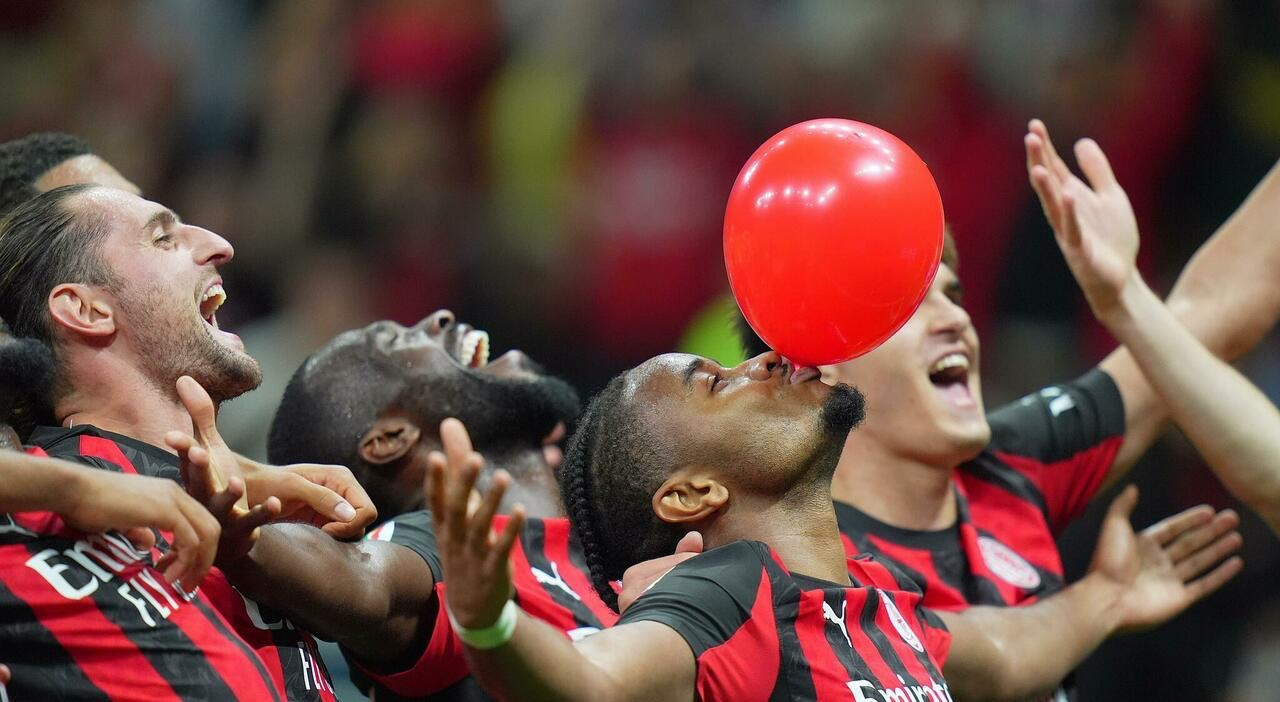
Milan have chosen the most delicate phase of their season to send out powerful signals yet, at the same time, to confirm that lingering, almost irritating sense of incompleteness that has followed them for months. A team capable of dominance, but not yet of sustained authority. A team that ignites belief, only to extinguish it days later through avoidable lapses.
It all began in emphatic fashion. The 0-3 victory away at Bologna was not merely a win; it was a statement of intent. Milan controlled every phase of the match with composure and clarity, displaying defensive solidity, transitional sharpness, and above all, a maturity that finally seemed within reach. It was the kind of performance that whispers, “Now, this is a team ready to ascend”.
That impression was reinforced shortly thereafter with a 1-2 victory against Pisa. Less dazzling, perhaps, but executed with intelligence. Milan did what top sides are required to do: win without necessarily enchanting. Six points from two matches, no emotional setbacks. The trajectory appeared, at last, linear.
Then, as has too often been the case, came the interruption.
Against Como at San Siro, Milan secured the result, yet revealed troubling fissures. The opposition, inferior on paper, unsettled the Rossoneri with organisation and courage. Milan suffered, conceded too much control, and never truly dictated the rhythm of the game. It was a victory that raised questions rather than silencing them.
Those doubts quickly turned into frustration following the home defeat to Parma. A 0-1 loss that cut deep not only for the result, but for the manner in which it unfolded. The decisive goal, scored by Troilo, sparked fierce controversy: from the club’s perspective, the attacker clearly pushed off the Milan defender with both hands. The outrage from both management and supporters was immediate and justified. And yet, beneath the anger lies an uncomfortable truth: Milan cannot afford to lose matches of this nature.
Because this is where credibility is forged. Not in grand spectacles, but in gritty encounters. In marginal moments. In situations that demand ruthlessness. And in this regard, Milan remain inconsistent.
To their credit, the response arrived. The 0-2 victory over Cremonese restored both oxygen and momentum. It was a performance devoid of embellishment, built on structure and efficiency. Not spectacular, but effective and perhaps, at this juncture, effectiveness is precisely what Milan require.
Then came the derby.
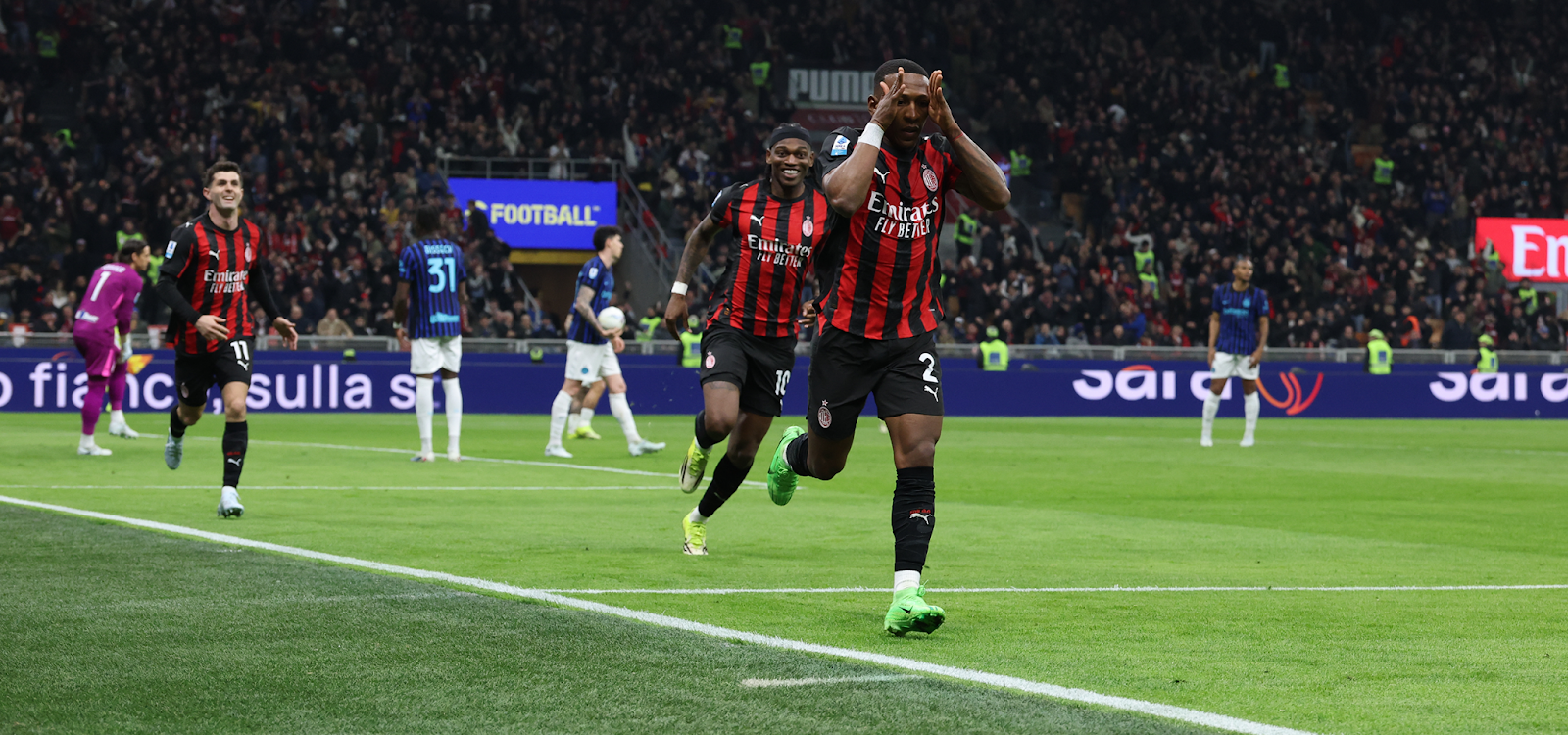
A match that transcends the value of three points. A match capable of redefining an entire season. This time, Milan rose to the occasion. The 0-1 win over Inter tells only part of the story. On the pitch, what unfolded was a display of control, intensity, and personality that bordered on dominance. Milan imposed themselves, neutralised their rivals, and struck with precision.
And the goal? Scored by Estupiñán, the least expected figure. A symbol, perhaps, of a team that, when fully engaged, can draw strength from any source. A victory of immense significance, one that
reignited the Scudetto race, narrowing the gap to seven points behind Inter. A clear message: Milan are alive.
And yet, once again, consolidation proved elusive.
Against Lazio, Milan squandered a golden opportunity. Estupiñán’s catastrophic error, gifting the opposition a goal, weighs heavily not only in terms of the result, but in what it represents. The chance to close the gap to five points, to truly reignite the title race, slipped away. Instead, that moment may well have extinguished it.
Here lies Milan’s defining limitation: continuity. It is not enough to defeat Inter if points are carelessly surrendered elsewhere. It is not enough to dominate intermittently without sustaining that level over time.
Meanwhile, attention inevitably shifts towards the future. The summer transfer market already looms large, with ambitious names circulating. The strategy is clear: one elite addition per department. Kim is being considered for the defence, Goretzka for midfield, and a high-calibre centre-forward to lead the line. Among the attacking options, Kean and Vlahović have emerged as prime targets, different profiles, yet both capable of elevating Milan’s offensive dimension.
These are signals of intent. Signals of a club determined to evolve, to bridge the gap, to construct a squad that is not only talented, but complete.
But before the future, there is the present. And on this, Massimiliano Allegri has been unequivocal: the sole objective is a return to the Champions League. No grand declarations, no illusions, only pragmatism. Secure a top-four finish.
It may sound cautious, but it is, in truth, revealing. It reflects a team still in transition. It acknowledges the limitations exposed throughout the season. And, perhaps most importantly, it confronts a reality that some supporters may resist: this Milan side is not yet built to dominate.
They can win. They can inspire. They can defeat anyone on their day.
But they are not yet a flawless machine.
And until they become one, they will continue to exist in that fragile space between greatness and incompletion.
