
BETWEEN SETBACKS AND SIGNALS OF GROWTH: MILAN’S SEARCH FOR BALANCE, IDENTITY AND AMBITION
By Giuseppe Forlano
The journey of Milan through this central phase of the season has unfolded like a complex musical score, marked by sudden pauses, emotional accelerations and sharp contrasts, where results and sensations have often travelled on parallel tracks. It has been a non-linear path, yet one that reveals much about the nature of a team still under construction, but already capable of expressing a clear and recognisable identity.
This stretch began with a narrow 1-0 defeat in the Coppa Italia against Lazio. It was a cautious, tactical contest, controlled for long periods but ultimately decided by a single episode. Milan showed organisation and balance, yet struggled to turn possession into genuine attacking threat. The elimination left a sense of frustration rather than resignation: the feeling of an opportunity lost not through inferiority, but through a lack of sharpness at decisive moments. A defeat that resonated, forcing the team to reflect on its ability to be truly ruthless when margins are thin.
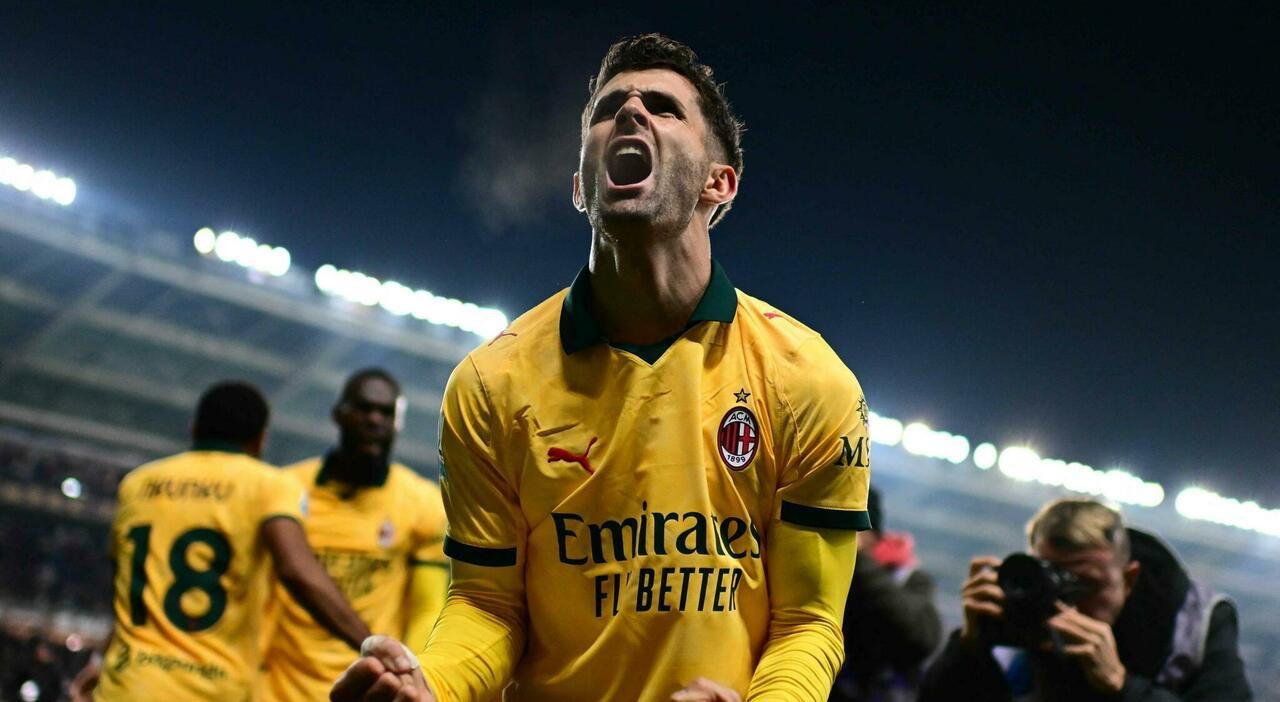
The response came swiftly in the league, during one of the most emblematic evenings of the season. Against Torino, Milan experienced a match of two distinct halves, shaped by early adversity and a powerful reaction of character. Falling two goals behind in the opening stages placed the Rossoneri on a steep uphill path, yet the team remained mentally attached to the contest. The turning point arrived in the 24th minute of the first half, when Adrien Rabiot unleashed a thunderous long-range strike to make it 2-1, a goal that reshaped the emotional balance of the match heading into half-time. From that moment on, the momentum shifted. After the break, Milan raised the tempo and intensity, transforming difficulty into momentum and completing a remarkable comeback to secure a 3-2 victory. At the heart of it all stood Christian Pulisic, a true pillar of this side: decisive, composed under pressure, and a technical and mental leader.
That emotional high, however, was followed by a frustrating setback in the 2-2 draw against Sassuolo. A result that generated more disappointment than regret, largely due to how the match unfolded. Milan appeared in control and even found what would have been the 3-1 goal, only for it to be controversially disallowed. A refereeing performance that undeniably affected the final outcome and fuelled a sense of injustice. Beyond the incidents, the match reinforced the impression of a team capable of creating chances but still prone to leaving games unresolved.
The calendar then took Milan far from Italy, to Riyadh, for the Supercoppa Italiana semi-final against Napoli. The 2-0 defeat told the story of a match in which the opposition proved sharper, quicker in both thought and execution. It exposed structural limitations that emerge when the level of intensity rises significantly. Not a failure, but a clear snapshot of the gap that still needs to be bridged to compete consistently on the biggest stages.
The end of 2025, however, arrived with a note of stability and reassurance. The convincing 3-0 league victory over Verona restored calm and confidence, allowing Milan to close the year in second place with 35 points, just one behind league leaders Inter on 36. A position that reflects the steady work of Massimiliano Allegri, who has brought order, pragmatism and continuity to a side that in recent years often lived through emotional extremes. This is not a spectacular Milan in the absolute sense, but it is a coherent and increasingly resilient one.
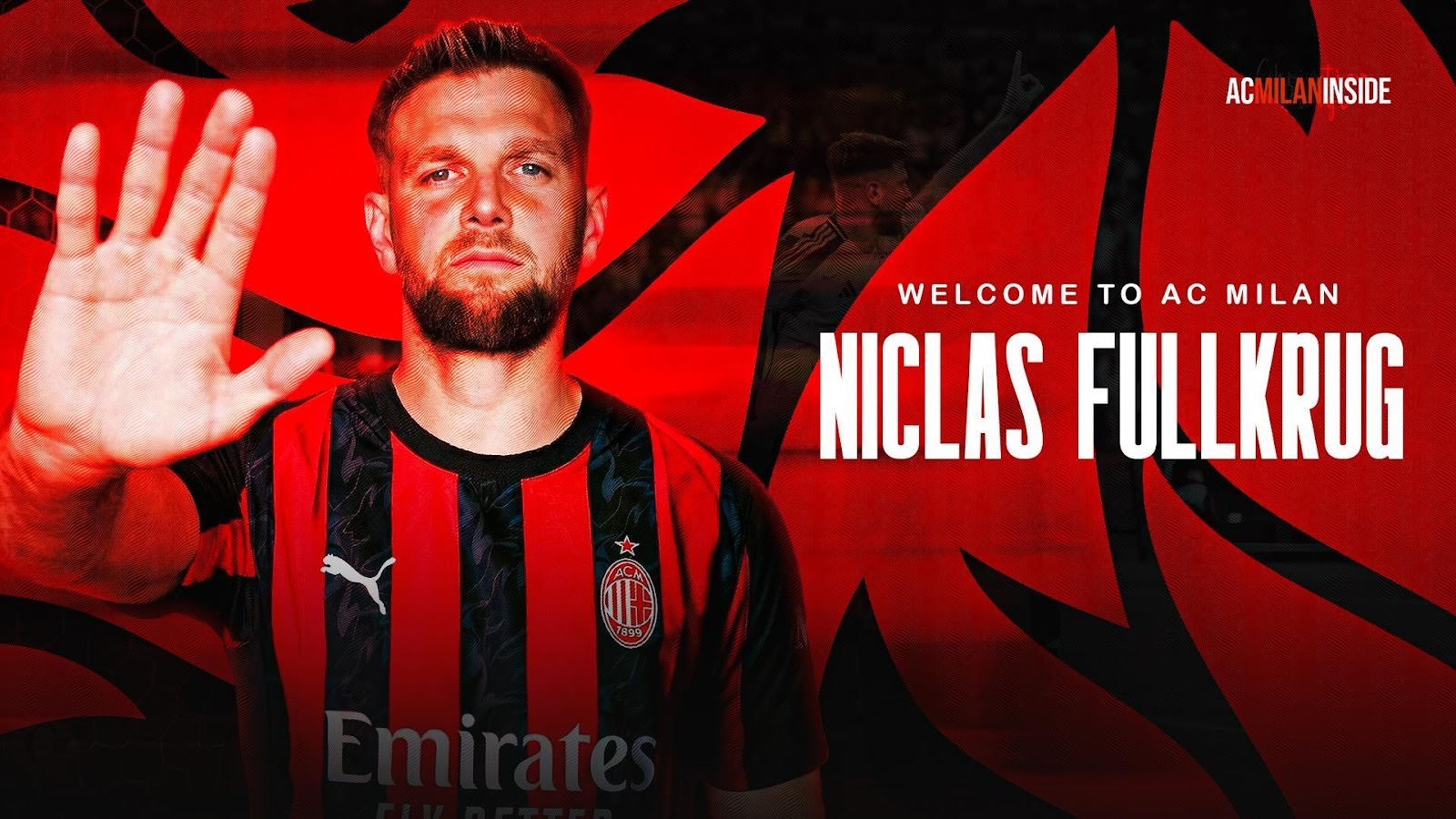
Alongside the pitch, the winter transfer window has begun to shape important narratives. The arrival of Niclas Füllkrug from West Ham, on loan with an option to buy set at five million euros, represents a targeted move designed to add physical presence, experience and a different attacking profile. It is not a gamble, but a functional decision aligned with the idea of building a more complete squad.
Attacking dynamics remain fluid nonetheless. Following his first brace in a Milan shirt, Nkunku has attracted interest from Fenerbahçe, opening the door to a potential domino effect in the forward line. Within this context, the profile of Jean-Philippe Mateta, currently at Crystal Palace, has emerged as a possible solution, especially as the English club moves closer to finalising the signing of Brennan Johnson.
On an emotional level, there has also been room for nostalgia. The name of Thiago Silva reignited deep memories among supporters after his contract termination with Fluminense, briefly fuelling hopes of a romantic return. That dream, however, remained just that. The defender chose Porto, closing the chapter on a comeback that would have carried more symbolic than strategic value.
Milan therefore continues its journey, suspended between realism and ambition. Not yet complete, but increasingly aware. A path marked by controlled setbacks and sudden recoveries, telling the story of a team in evolution, searching not only for victories, but for a lasting and profound stability.
